Anarchy in the UK at 50: How Punk Changed Music for Good
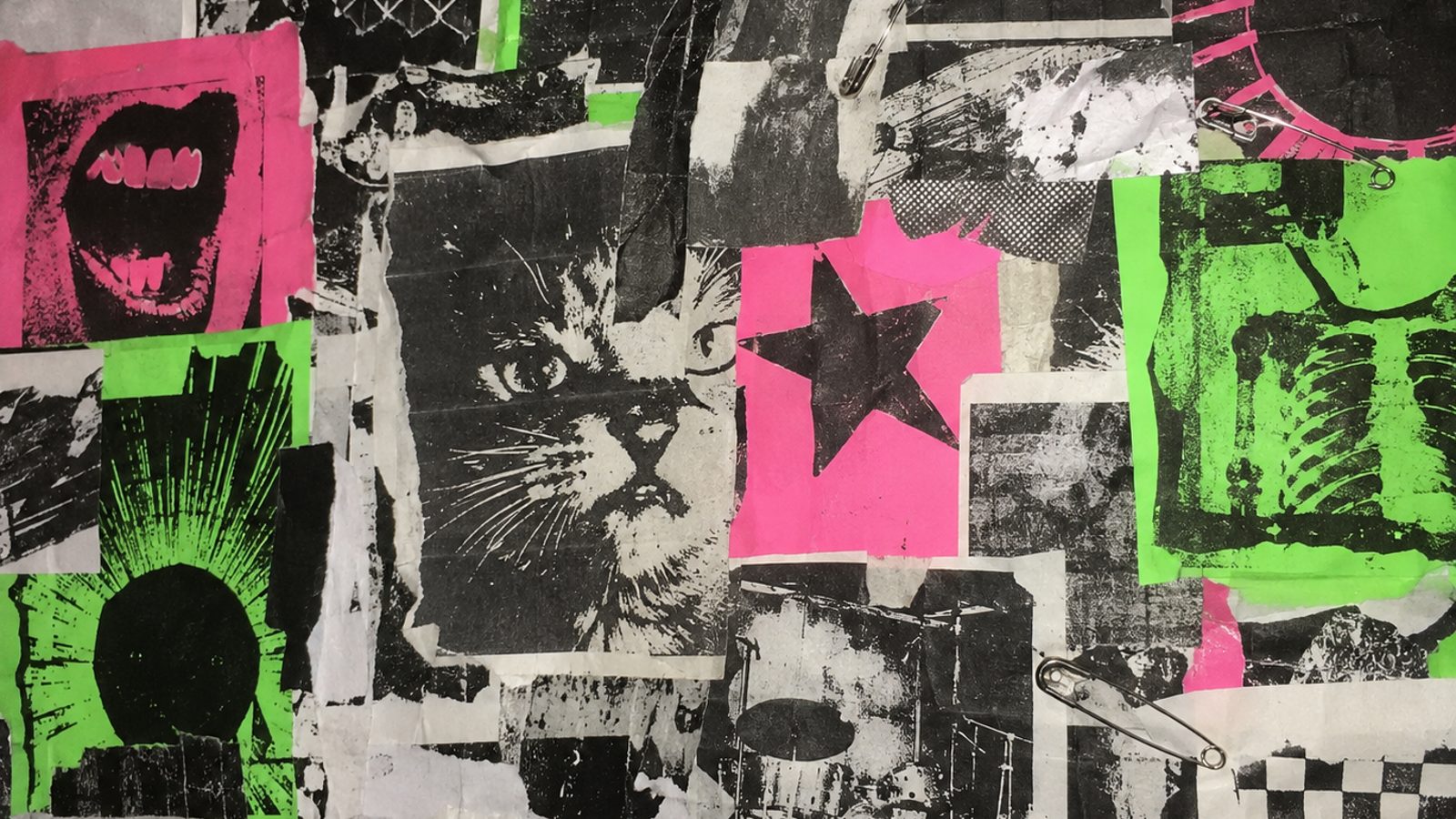
Fifty years ago today, on 26 November 1976, the Sex Pistols released Anarchy in the UK on EMI. It reached only number 38 in the UK chart. The band were on a different label within months. Yet half a century later, you can still hear its echo in almost every guitar band, indie label and bedroom producer going.
So how did a record that most shops wouldn't stock end up shaping so much of the music that followed? Here at No.1 Music Blog we've traced the line.
Not the first, but the loudest
Anarchy wasn't the first British punk single. The Damned's New Rose beat it by about a month. Across the Atlantic, the Ramones had already put out their debut album that April. But the Pistols, with McLaren's showmanship and that infamous Bill Grundy TV appearance on 1 December 1976, made punk front-page news. That noise is what reached kids in every town.
1. Do it yourself
Punk's biggest legacy isn't a sound. It's a way of working. In January 1977 Buzzcocks paid to press their own EP, Spiral Scratch, and sold it themselves. Independent labels like Rough Trade and Factory soon followed, with fanzines such as Sniffin' Glue photocopied in bedrooms.
Every artist releasing music today without a major label is working in that tradition, whether they know it or not.
2. Post-punk: the art-school next step
The Pistols' gig at Manchester's Lesser Free Trade Hall in June 1976 drew a tiny crowd. Members of the future Joy Division were said to be in it. By 1978 John Lydon himself had moved on to Public Image Ltd, all dub bass and space. Siouxsie and the Banshees, Wire, Gang of Four and The Fall took punk's energy somewhere stranger. Their fingerprints are all over later indie and alternative music.
3. Goth, 2 Tone and new wave
- Goth grew out of the darker end of post-punk, with Siouxsie, Bauhaus and The Cure.
- 2 Tone married punk attitude to ska. The Specials and The Selecter turned it into a statement about Britain in 1979.
- New wave smoothed the edges for the charts. Elvis Costello, Blondie and The Pretenders all came through the door punk kicked open.
4. Women at the front
Punk made room for women who didn't fit the pop mould: The Slits, X-Ray Spex's Poly Styrene, Siouxsie, Pauline Black of The Selecter. That lineage runs straight to riot grrrl in the 90s and on to today's heavy, genre-mashing duos like Nova Twins.
5. Hardcore, grunge and pop-punk
In America, punk turned faster and angrier with Black Flag and Minor Threat, who also ran their own labels and tours. That scene fed grunge (Nirvana never hid their punk roots), and later the pop-punk of Green Day and Blink-182, which sold millions to kids born long after 1976.
6. Still spitting today
You can hear the line in IDLES, Fontaines D.C., Amyl and the Sniffers, Bob Vylan and a new wave of British bands who'd rather shout about the state of things than sing about it. You can even hear it outside guitar music. Grime's early years, with homemade beats, pirate radio and self-pressed records, shared the same spirit, if not the sound.
The real anniversary present
The best way to mark fifty years of Anarchy in the UK is to go and see a band nobody's heard of yet, in a small room, this week. That's where punk started, and it's still where the next thing will come from.